
Hospitality Is a Mindset
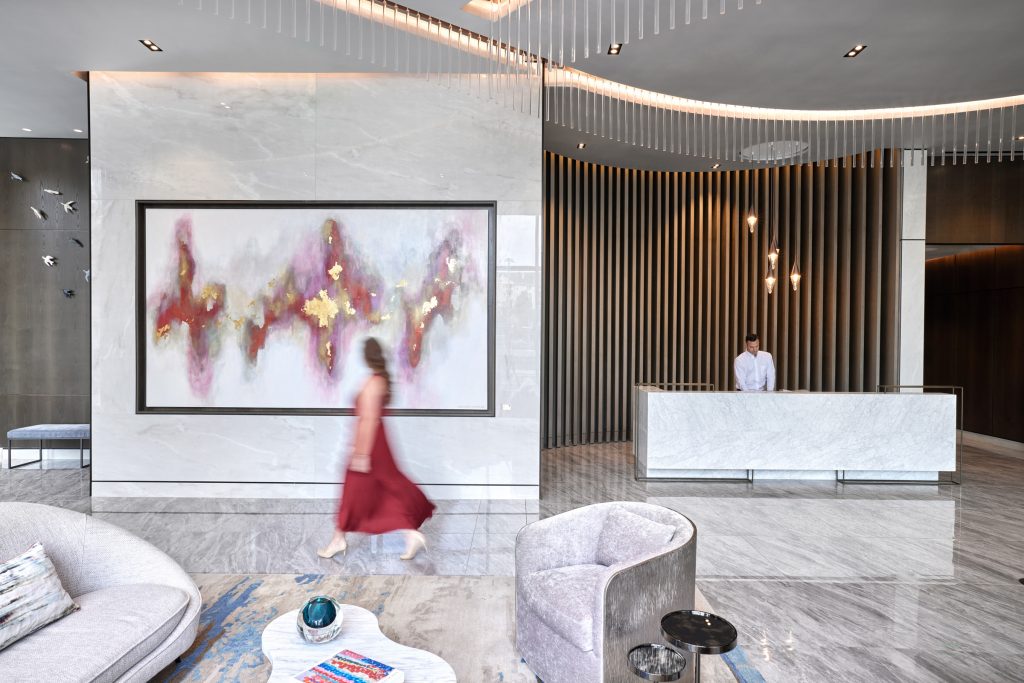
The idea of hospitality is often mistaken for a certain look. Hotels with plush seating, moody lighting, and curated decor. True hospitality goes beyond aesthetics; it’s about how a space makes people feel. It is a mindset rooted in empathy, intention, and care.
Hospitality begins long before a guest walks through the door.
At Hickok Cole, our Lifestyle interior design group designs with a hospitality mindset. “We start by thinking about people first,” explained Rhea Vaflor, Associate Principal and Director of Lifestyle + Trendcasting. “Who is coming into the space, who works there every day, how they move through it, and what they need to feel comfortable, welcomed, and supported. The aesthetic follows from there.”
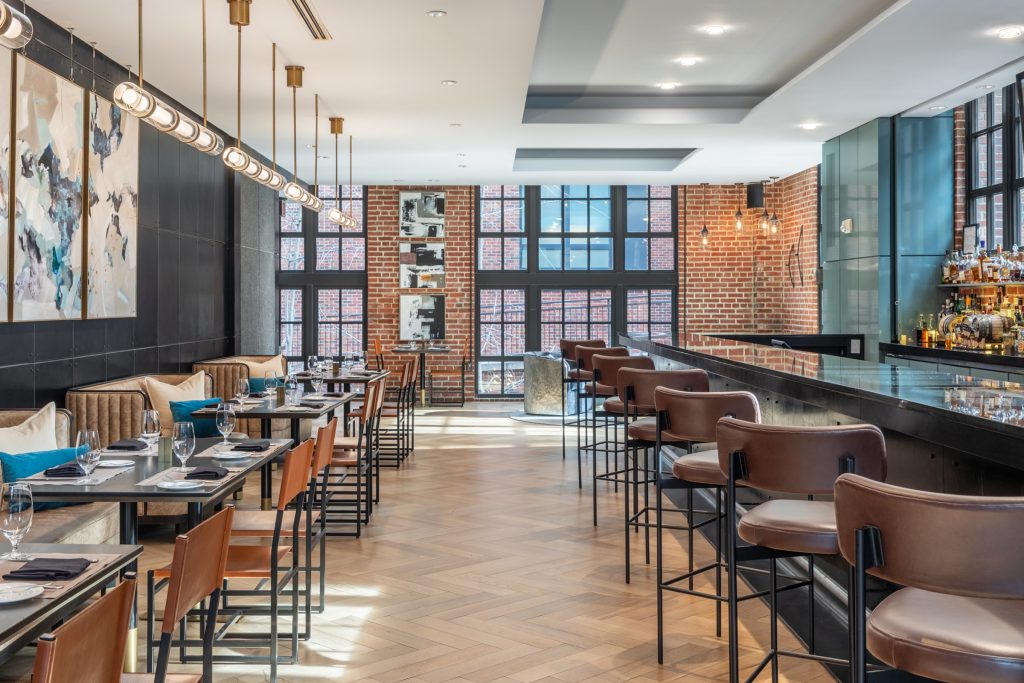
During renovation at The Ritz-Carlton Hotel in Georgetown, our team asked themselves: What makes service effortless for the people who deliver it every day? Servers shared their frustrations—menus that never fit, bills that slowed them down, and the cluttered point of service stations. Those minute details may not be visible to guests, but they are felt. When a space cares for the team behind the scenes, hospitality shows up naturally.
In multifamily environments, hospitality is often about smoothing over hassles from daily life. At The Batley in Washington, DC, the pet spa was designed off the parking garage on the retail level. Outside groomers can access residential clients without having to go through the lobby. Management benefits from professional equipment already in place. The experience is simpler and more dignified for everyone involved.
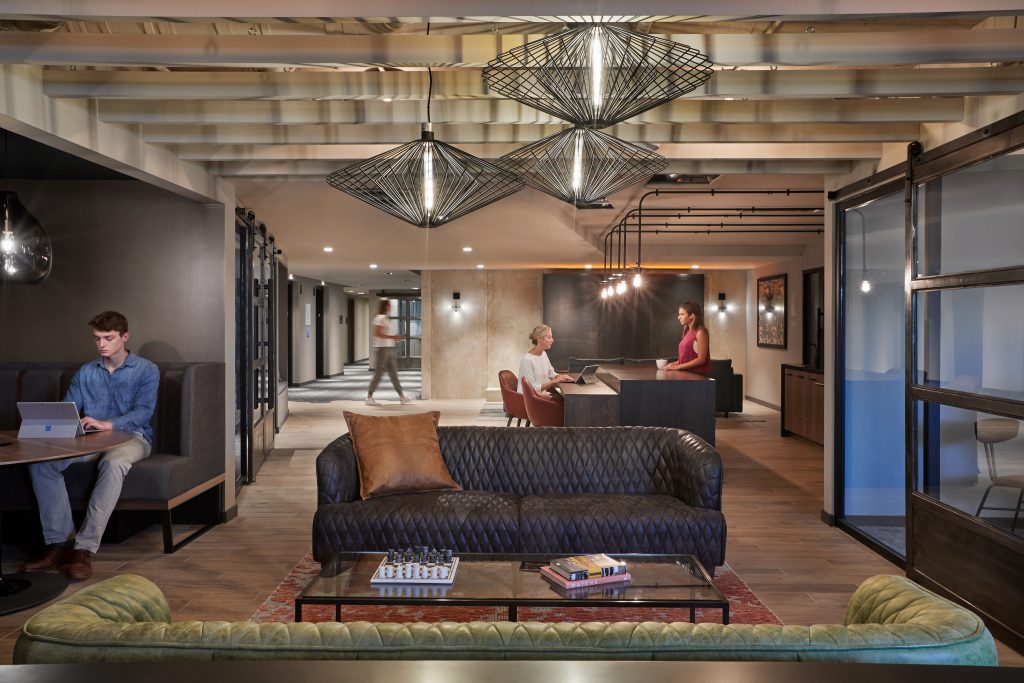
That same thinking shows up in smaller moments. Reception desks equipped with under-counter refrigerators enable team members to store lunches while also offering cold beverages to residents, visitors, and delivery drivers. It is a subtle way of recognizing people as people.
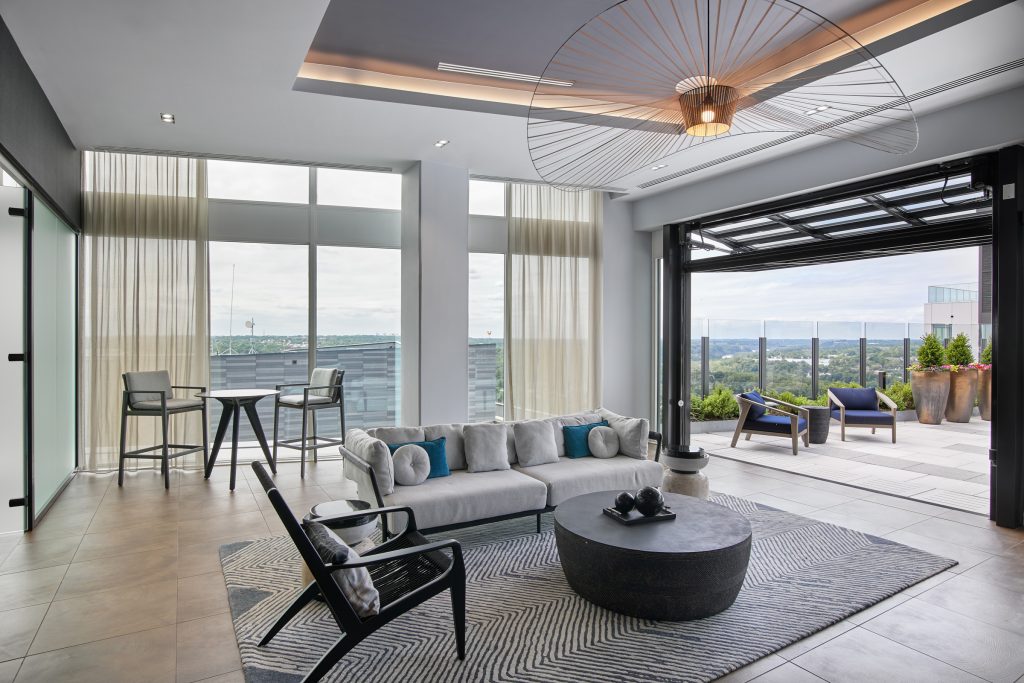
Hospitality also means designing spaces that flex with real life. At Cortland Rosslyn in Arlington, VA, an indoor lounge opens to the pool through a roll-up garage door, creating a three-season entertaining space. Inside, furniture uses outdoor fabric because people often come straight from the pool. Design that anticipates reality feels far more welcoming than design that resists it.
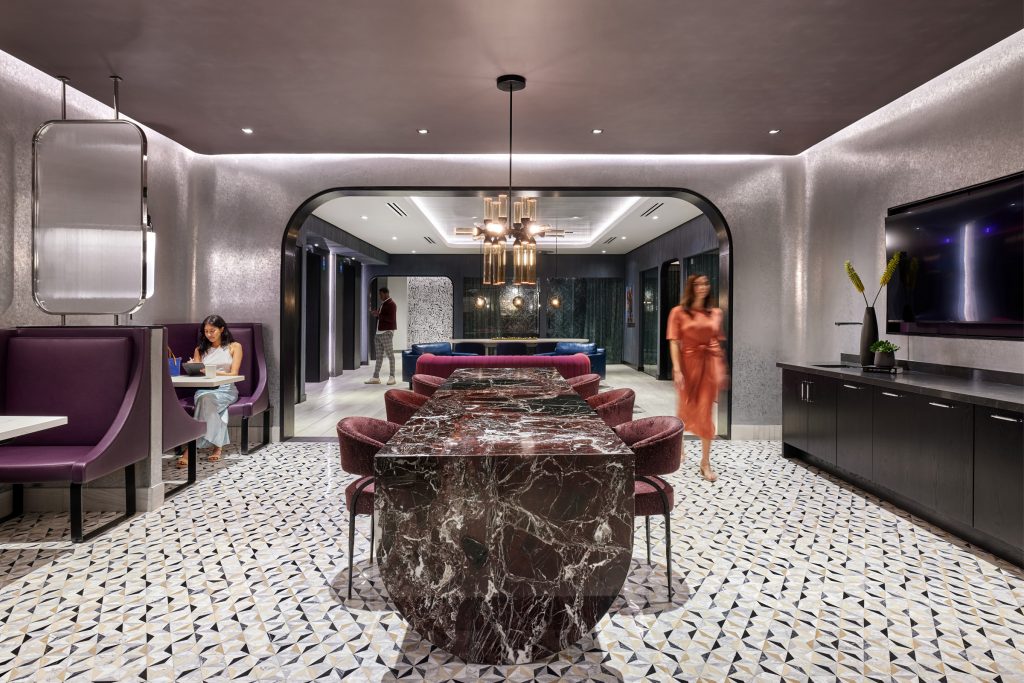
DC’s Reverb has a coworking space that shifts seamlessly from business during the day to a social hub at night. During events, quieter rooms with soft seating offer places to step away and recharge. Hospitality is not about forcing interaction. It is about giving people a choice.
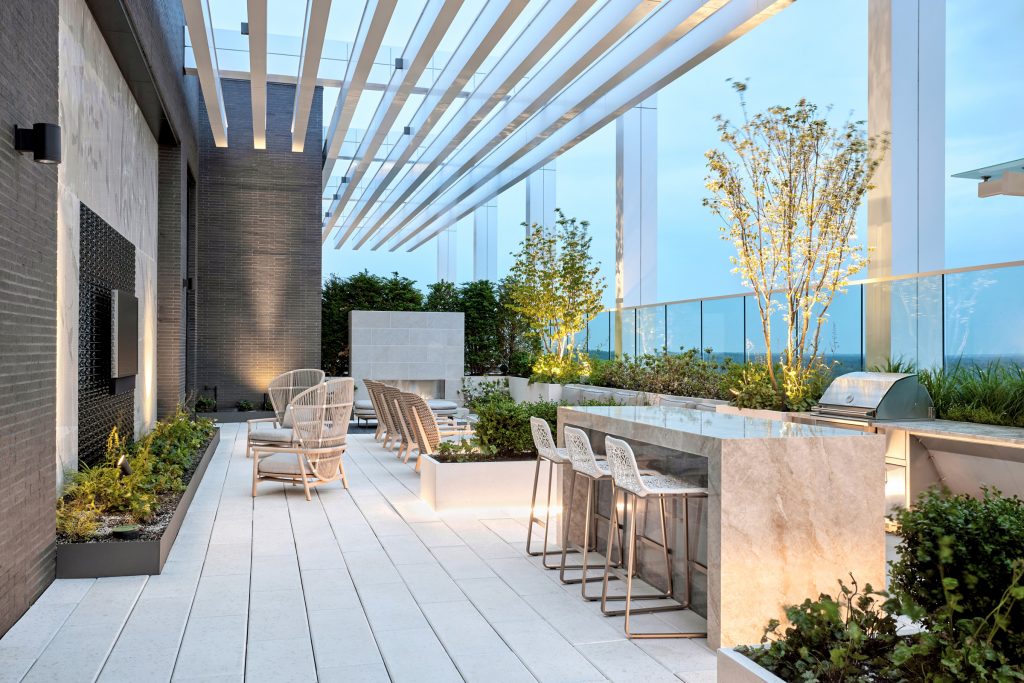
Some of the most meaningful hospitality moments happen during life’s milestones. In Arlington, VA, Pierce at The Highlands boasts outdoor amenities that support intimate gatherings with hearth seating, a bar, and a private dining table that can host a chef-led dinner. At The Magnolia in North Bethesda, MD, an indoor clubroom opens to the pool deck and includes speed chillers for spirits to make hosting feel effortless.
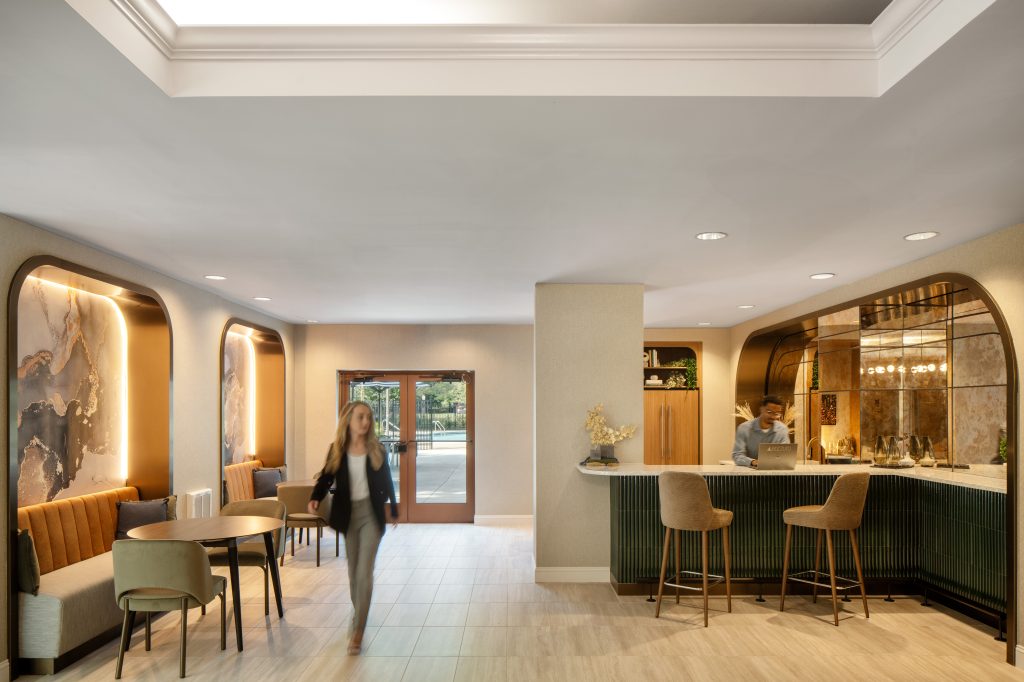
In Washington, DC, at F1RST Residences, the clubroom’s furniture was once moved to create an indoor ice-skating rink for a child’s birthday party. During the holidays, the clubroom kitchen allows someone in a studio apartment to cook a full meal, turkey and all, for visiting family. That is hospitality rooted in real life.
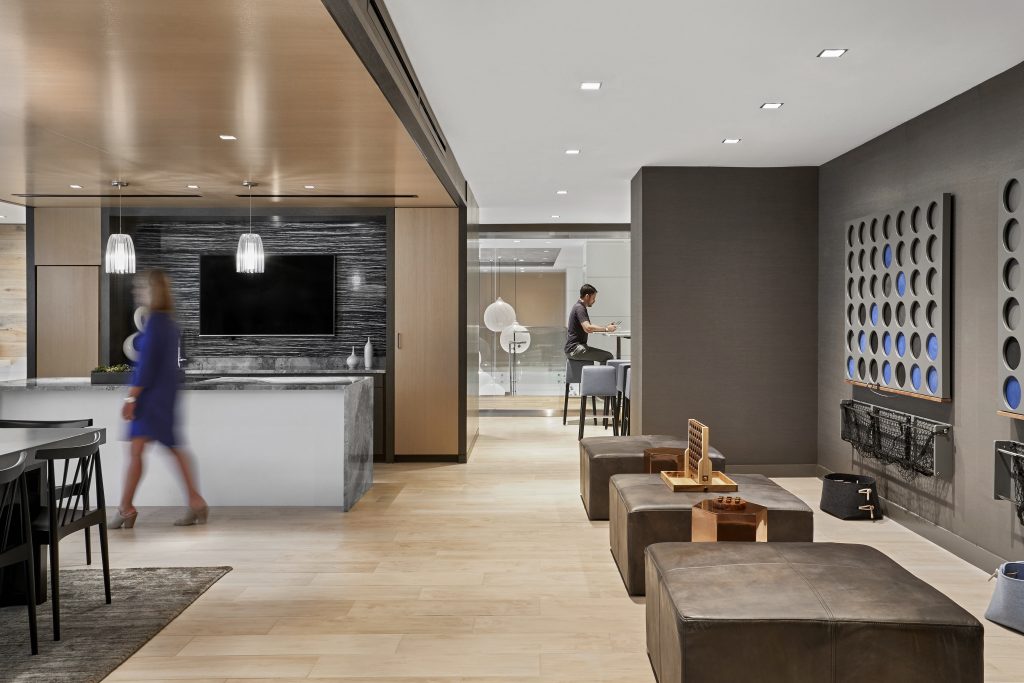
Hospitality is not a style you layer on. It is a way of thinking about how spaces nurture people, moments, and everyday rituals. When design begins with that intention, belonging becomes a natural outcome.